
Last updated October 30, 2026
 Wrought iron
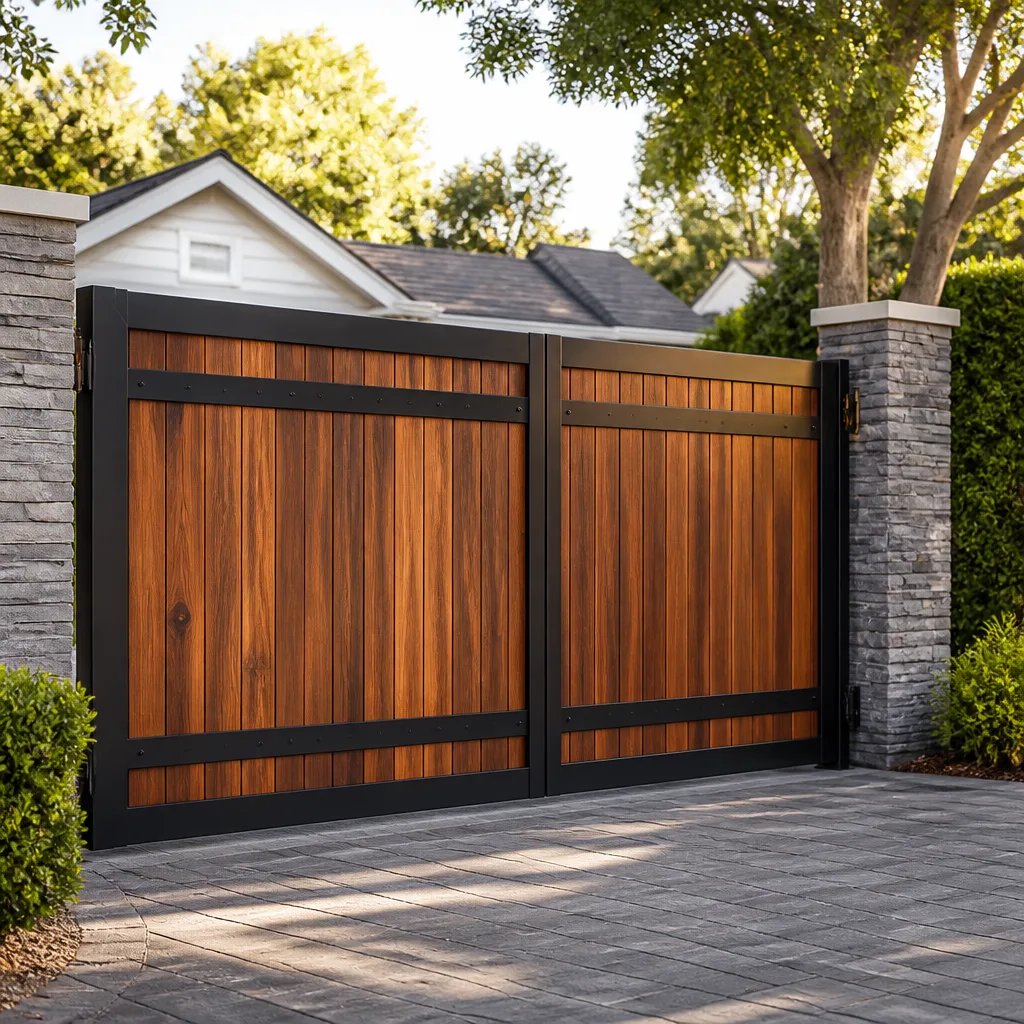 Wood & steel frame
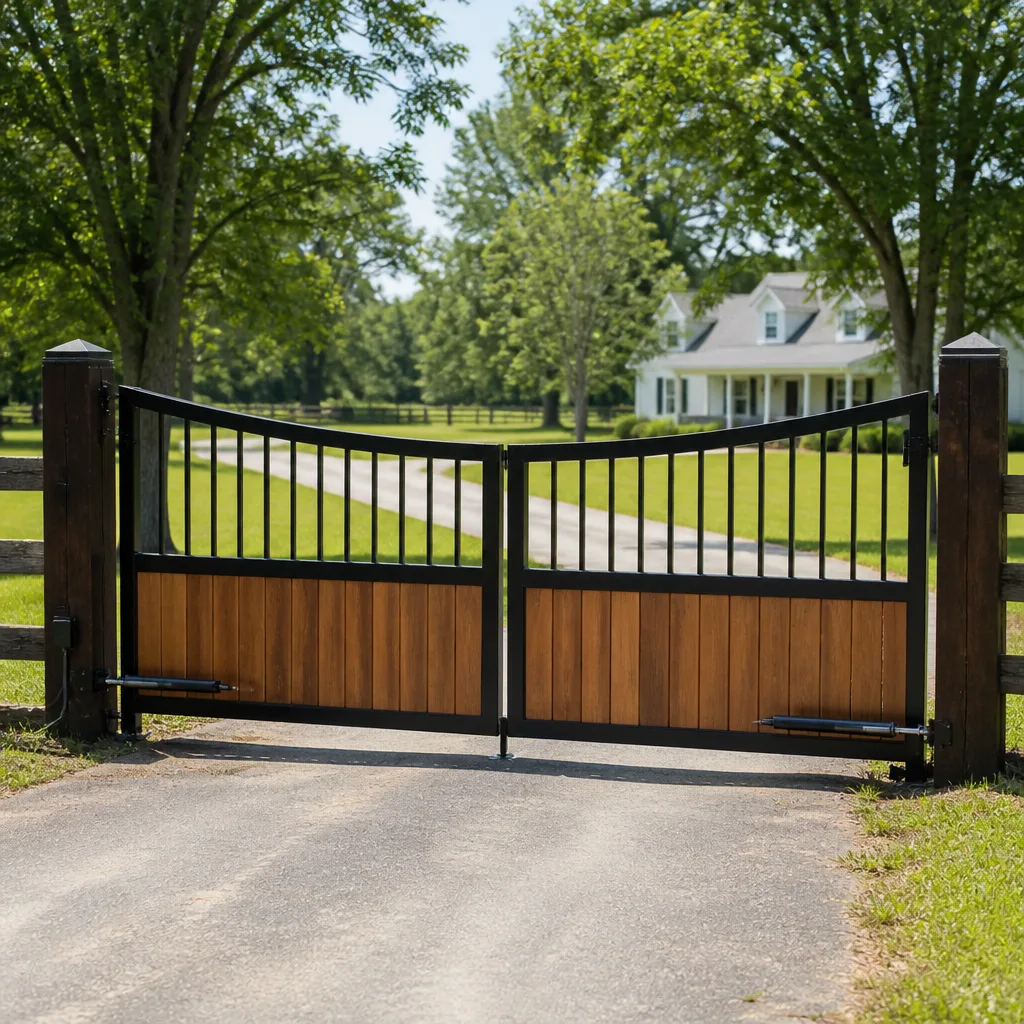 Farm & ranch
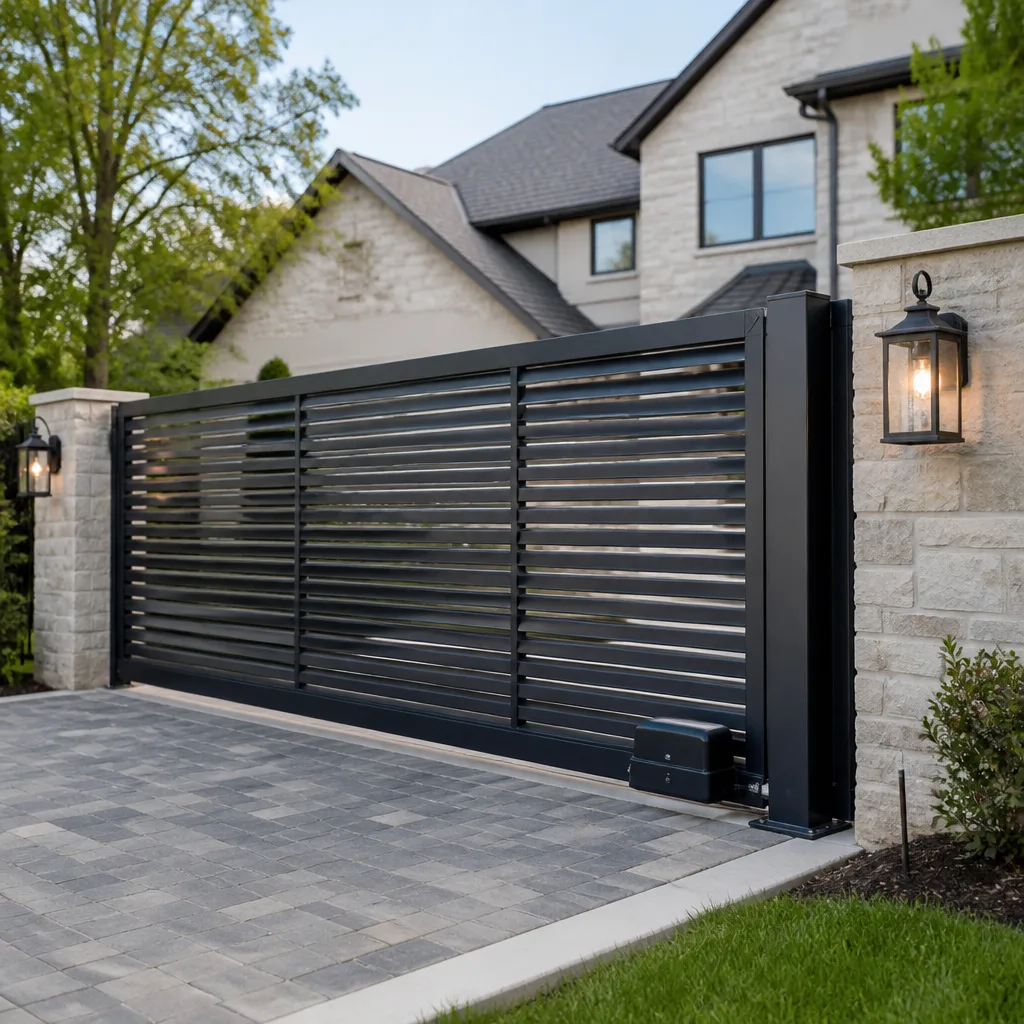 Sliding driveway gates
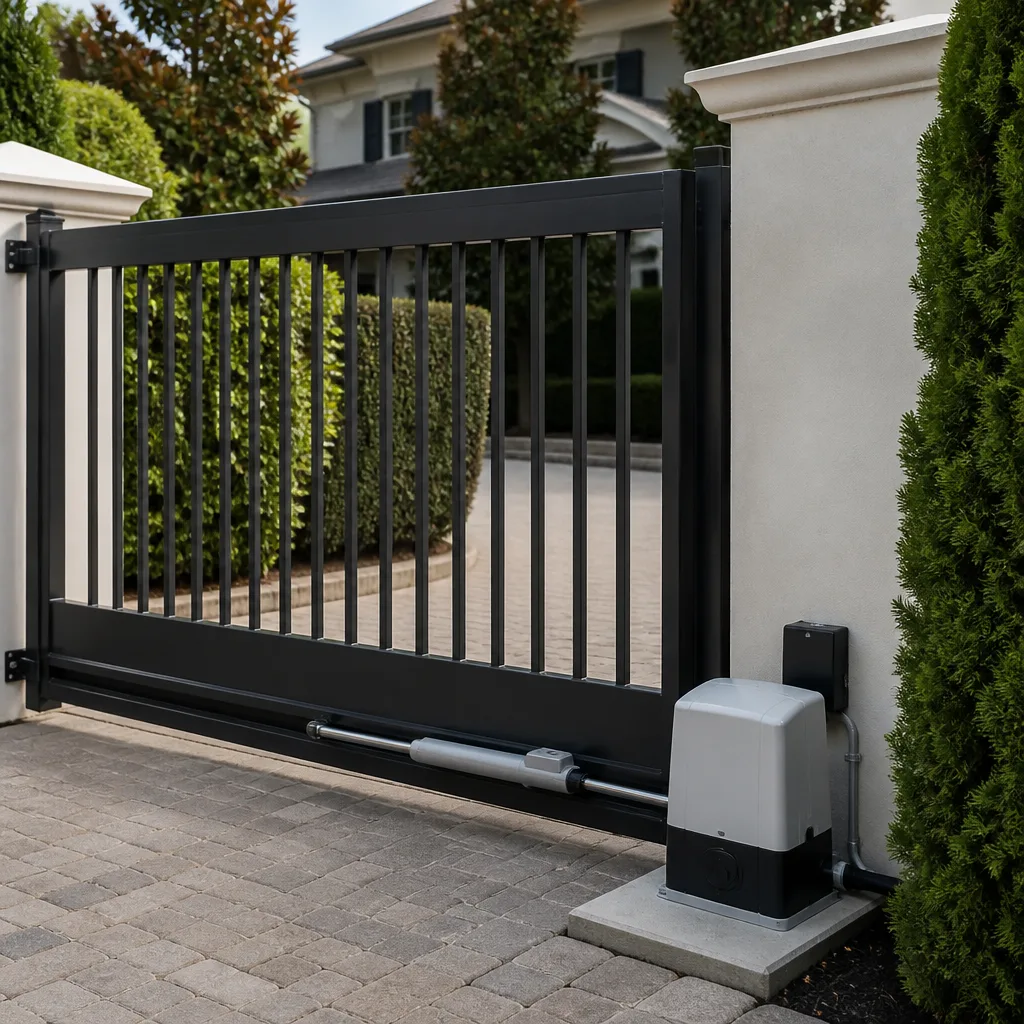 LiftMaster operators
Free on-site gate assessment - hinges, posts, and your LiftMaster or Nice gate operator checked before anything is quoted
The assessment is free and the quote is the invoice.
Get your free estimateThe Complete Gate Repair Guide for Anaheim Homeowners
Anaheim sits on expansive clay soil that can shift a gate post a quarter-inch between wet season and dry. That movement is often enough to throw a LiftMaster LA500 completely out of limit-switch calibration without a single component failing. This guide maps the failure points that actually show up in Anaheim, why our local soil and marine-layer humidity accelerate them, and what you can realistically inspect before calling a gate specialist. For a deeper dive, see The Complete Guide to Gate Repair in Anaheim. We’ll cover the repair-versus-replace math, brand-specific vulnerabilities, permit requirements inside Anaheim city limits, and the four hardware points that corrode fastest in this specific climate.
Quick Answer
Gate repair in Anaheim typically means diagnosing a misaligned operator, a corroded control board, or a post that has moved with the soil, and most residential fixes run between $180 and $650 depending on the component. The fastest way to avoid a bigger job is to check the gate’s wear pattern before anything else: if the gate drags at the latch post or trips its limit switch after rain, you’re looking at a soil-movement or hinge problem, not a motor failure. First Light Gate Repair works on nine major brands and offers our Gate Repair services with free estimates across Anaheim.
Styles & brands we work with
Table of Contents
- Why Anaheim Clay Soil Breaks Gate Systems Differently
- Swing Gates vs. Slide Gates: How Anaheim Conditions Hit Each System
- Brand-by-Brand: Which Operators Struggle Most With Hard Water and Marine Air
- The Four Hardware Points That Corrode Fastest in Anaheim
- When a Gate Repair Becomes a Permit Job in Anaheim
- A Practical Inspection Schedule That Prevents Emergency Calls
- How to Read a Gate’s Wear Pattern Before Calling Anyone
- Common Mistakes to Avoid
- When to Call a Professional
- Frequently Asked Questions
Why Anaheim Clay Soil Breaks Gate Systems Differently
Most gate failures in Anaheim trace back to three local stressors: ground movement from expansive clay soil, marine-layer moisture cycling, and hard-water mineral buildup on hardware. A repair guide that ignores those conditions gives homeowners generic advice that doesn’t hold up here.
The clay soil under much of Anaheim, particularly in the flatlands west of the 57 and through neighborhoods like West Anaheim and the Colony, expands when wet and contracts when dry. A gate post set in that soil can move a quarter-inch to half an inch between seasons. That doesn’t sound like much until you understand what a quarter-inch does to an automated gate. The operator’s limit switches are set to stop the gate at a precise point. Move the post and the gate now travels a slightly different arc. The operator reads that as an obstruction or a missed limit, and the gate either reverses mid-swing, beeps and stops, or refuses to close entirely.
We’ve seen this pattern repeatedly in Anaheim: a homeowner calls thinking the motor burned out, and the real issue is a post that has drifted. The fix is often a post re-set or a hinge adjustment, not an operator replacement. That’s the difference between a $200 service call and a $1,500 needless operator install.
Slide gate systems feel the same soil movement differently. A slide gate rides on a track, and if the track shifts or heaves, the gate binds, the drive chain stretches, and the gearbox takes the punishment. We’ve replaced slide gate gearboxes in Anaheim that failed purely because the track had settled unevenly over two or three wet winters.
Swing Gates vs. Slide Gates: How Anaheim Conditions Hit Each System
Not all gate failures look the same, and swing gates and slide gates respond to Anaheim’s conditions in completely different ways. Knowing which failure pattern matches your gate type tells you where to look first.
Swing Gate Failure Pattern in Anaheim
Swing gates are the most common residential gate type in Anaheim, seen across neighborhoods from Anaheim Hills to the flatlands near Lincoln Avenue. They’re also the most sensitive to post movement. The operator, whether it’s a Mighty Mule, Ghost Controls, or a heavier LiftMaster arm, mounts to the gate and the post. When the post drifts, the operator’s geometry changes. That means:
- The gate may not reach the closed limit, so the operator keeps trying to close and eventually faults.
- The gate may overshoot at the open position and stress the hinge welds.
- The auto-reverse may trigger unpredictably because the resistance profile changed.
If your swing gate is acting up after a rainy stretch, check the gap between the gate and the latch post. A widening gap at the top or bottom is a classic sign of post drift in Anaheim’s clay soil.
Slide Gate Failure Pattern in Anaheim
Slide gates are more common on larger properties and commercial lots, but plenty of Anaheim homes with long driveways use them. The failure pattern here is about track alignment and wheel wear. When the soil under the track heaves, the gate doesn’t roll evenly. One wheel takes more load than the others. That wheel flattens or the bearing fails. The drive chain then runs at a slight angle, which wears the sprocket and eventually strips the gearbox.
On a slide gate, a post that moved a quarter-inch is not the problem. The problem is the track bed. We check track level first on every slide gate service call in Anaheim, because if the track is not level, replacing the operator or the wheels only buys a few months before the same failure returns.
Brand-by-Brand: Which Operators Struggle Most With Hard Water and Marine Air
Anaheim’s water is hard. The city sources from the Colorado River and the groundwater basin, and both bring dissolved minerals. When irrigation spray or morning condensation lands on a gate operator’s control board, the water evaporates and leaves mineral deposits behind. Those deposits bridge circuits, corrode solder joints, and eventually short out boards.
Some brands handle this better than others, and we’ve formed clear opinions from years of Anaheim service calls.
Viking and DoorKing: Heavy-Duty, But Board-Sensitive to Mineral Buildup
Viking and DoorKing make workhorse operators commonly found on Anaheim commercial properties and larger residential estates. They’re built to run for years, but their control boards are denser and the terminals sit closer together. A thin film of mineral deposit across those terminals causes phantom faults: the gate opens when no one is there, or the keypad stops accepting codes. We clean more Viking and DoorKing boards in Anaheim than any other brand, and the culprit is almost always hard-water residue combined with marine-layer moisture.
Ghost Controls and Mighty Mule: Homeowner-Friendly, But Less Sealed
Ghost Controls and Mighty Mule dominate the DIY residential market, and we see a lot of them on Anaheim driveway gates. They’re simple to install and program, which is their selling point, but their plastic enclosures and lighter gaskets give marine air more access than the heavier commercial housings. A Ghost Controls board that sits facing west, catching afternoon sun and evening marine air, can corrode at the terminal block within two or three years in Anaheim. The good news is that a board replacement on these units is straightforward and usually under $200 for the part.
BFT, FAAC, LiftMaster, and Elite: The Middle Ground
BFT, FAAC, LiftMaster, and Elite tend to seal their boards better than the DIY brands, but they’re not immune. The failure point on these in Anaheim is usually not the board itself but the limit switches and the edge sensor wiring, which run outside the sealed enclosure. Hard-water corrosion on those external connections causes intermittent faults that feel like motor problems. We’ve diagnosed dozens of LiftMaster arms in Anaheim where the operator was fine and a single corroded wire nut at the photo eye was the entire issue.
The Four Hardware Points That Corrode Fastest in Anaheim
Anaheim sits close enough to the Pacific that the marine layer rolls in most evenings from late spring through early fall. That means a daily cycle of condensation and evaporation on outdoor metal. Add hard water from irrigation and you get corrosion that inland cities don’t see. In our experience, four specific hardware points fail first.
1. Hinge Pins and Bushings
The hinge is the pivot point for the entire gate, and it’s the first place corrosion shows. A rusty hinge pin increases friction, which makes the operator work harder, which shortens the operator’s life. We replace hinge bushings on Anaheim gates at roughly twice the rate we did when operating in drier climates. A gate that creaks on open is a gate that needs hinge attention before the operator takes the strain.
2. Limit Switch Terminals
Limit switches tell the operator where the gate is. Their terminals are typically low-voltage and small, which makes them vulnerable to a film of mineral deposit. When a limit switch terminal corrodes, the gate might stop six inches short of closed or refuse to open all the way. It’s a cheap fix if caught early: cleaning and resealing the terminal costs a fraction of a new switch.
3. Photo Eye Connections
The photo eye sits near the ground, which is exactly where irrigation water pools and splashes. Corroded photo eye wires cause the gate to reverse for no visible reason or stay open because it thinks something is in the path. In Anaheim, we inspect photo eye wiring on every service call, because it’s the most common false alarm source on automated gates.
4. Keypad and Intercom Faceplates
The keypad or intercom sits fully exposed to sun and marine air. The buttons wear, the faceplate fades, and the internal contacts corrode. A keypad that works intermittently is usually a keypad nearing the end of its life, not a system failure. Swapping a keypad is a fast, low-cost repair that restores full function without touching the operator.
When a Gate Repair Becomes a Permit Job in Anaheim
Anaheim requires permits for certain gate work, and knowing the line between a repair and an installation matters because it affects cost, timeline, and the choice between fixing what you have and replacing it. For help deciding, read DIY vs Professional Gate Repair: The Anaheim Homeowner’s Decision Guide.
Replacing an existing operator, swapping a control board, fixing a hinge, or repairing a track: these are repairs. No permit needed. The work is swapping like for like or restoring existing function. Most of what Anaheim homeowners need falls in this category.
The permit requirement kicks in when the work changes the physical structure or the electrical load. Installing a new gate where none existed, widening a driveway entry, pouring new footings, running a new power line to a gate that was previously manual, or replacing a pedestrian gate with an automated vehicle gate: these trigger building and sometimes electrical permits through the city. Anaheim also enforces specific setback and swing-over rules, which means a gate that swings outward over a public sidewalk may not be approved even if it’s replacing an existing one that did the same thing unlawfully.
This is one reason the repair-versus-replace decision in Anaheim is not purely about part cost. A $900 operator replacement on an existing gate needs no permit and can be done the same week. A full gate replacement that requires new footings, electrical work, and city review can take three to six weeks and add permit fees to the project. When we give Anaheim estimates, we always clarify whether the job is a repair path or a permit path before quoting.
For more detail on what a full gate project involves inside city limits, see our page on Gate Installation in Anaheim.
A Practical Inspection Schedule That Prevents Emergency Calls
Gate emergencies rarely come out of nowhere. They come from ignored warning signs that a simple inspection would have caught. Here’s the schedule we recommend to Anaheim homeowners, based on the failure patterns we see in this specific climate.
Monthly: Two-Minute Visual Check
- Open the gate and watch it travel. Note any hesitation, jerking, or unusual sound.
- Look at the gap between the gate and the latch post. A consistent gap is good. A widening or narrowing gap means post movement.
- Check the photo eye lenses are clean and not obstructed by irrigation overspray or plant growth.
Quarterly: Ten-Minute Functional Test
- Test the auto-reverse by placing a cardboard box in the gate’s closing path. The gate should reverse before crushing the box.
- Run the gate open and closed three times, listening for a change in motor pitch.
- Check the keypad buttons for stickiness or delayed response.
- Inspect the hinge pins and operator arm for visible rust or play.
Annually: Full Hardware and Board Inspection
- Remove the operator cover and inspect the control board for mineral deposits, dust accumulation, or burn marks.
- Tighten all hinge bolts, track bolts, and operator mounting bolts.
- Lubricate the hinge pins and slide gate wheels with a silicone-based lubricant (never WD-40 on gate hardware; it attracts dust and gums up).
- Check the battery backup if your system has one, and test the gate’s manual release.
Following this schedule prevents most of the emergency calls we see in Anaheim. The quarterly cardboard test alone catches failing edge sensors before they become a safety issue or a burned-out operator.
How to Read a Gate’s Wear Pattern Before Calling Anyone
Before you call a gate company, spend five minutes reading what your gate is telling you. The wear pattern reveals whether you have a foundation or post problem, an operator problem, or a hardware problem. And that distinction changes what the repair should cost.
Foundation or Post Problem: The Tell
Open the gate halfway and stand back. If the gate sags or the gap between the gate bottom and the ground changes from hinge side to latch side, the post or the foundation is the issue. On a swing gate, this usually means the hinge post has leaned. On a slide gate, it means the track bed has settled. No amount of operator adjustment fixes a moved post.
Operator Problem: The Tell
If the gate moves freely by hand when released but struggles, stops, or faults when the operator is connected, the operator is the issue. This might be a worn gearbox, a failing motor capacitor, or a control board fault. The good news is that an operator replacement on an existing, healthy gate is a straightforward repair.
Hardware Problem: The Tell
If the gate is noisy, scraping, or binding even when moved by hand, the problem is in the hinges, wheels, or track. Hardware problems are the cheapest to fix and the worst to ignore, because a binding gate destroys the operator over time. A $30 hinge bushing replaced today saves a $600 operator a year from now.
If you’re not sure which pattern you’re seeing, our article on Gate Repair in Anaheim walks through each symptom in more detail.
Common Mistakes to Avoid
- Replacing the motor before checking the post. In Anaheim’s clay soil, a drifted post causes symptoms that mimic motor failure. Replacing the operator without fixing the post means doing it again in a year.
- Ignoring a noisy gate. A gate that creaks or grinds is telling you a hinge bushing or wheel bearing is failing. Ignoring it transfers the damage to the operator, which is far more expensive.
- Lubricating with the wrong product. Heavy grease and standard WD-40 attract Anaheim’s dust and mineral residue, turning the hinge into a grinding paste. Use a clean silicone spray only.
- Skipping the quarterly auto-reverse test. The cardboard test takes ten minutes and is the difference between a working safety edge and a liability if a child or pet is in the gate’s path.
- Upgrading to a heavier gate without upgrading the operator. Replacing a light tube-steel gate with a solid ornamental gate adds weight the original operator wasn’t rated for. The motor burns out within months.
- Assuming all keypad failures are wiring problems. In Anaheim, a flaky keypad is usually the keypad itself, corroded from hard water and marine air. Replacing the keypad is a quick, inexpensive fix.
- Forgetting the permit trigger points. Adding automation to a gate that was never automated, or installing a new gate on new footings, requires city review in Anaheim. Skipping the permit can stall a sale or force a corrective rebuild later.
When to Call a Professional
Call a gate specialist when the gate doesn’t respond predictably, when you see visible post movement, when the operator hums but doesn’t move the gate, or when the auto-reverse doesn’t pass the quarterly test. Any of those means a specific component has failed and guessing at a fix without diagnostic equipment will likely cost more than the service call. High-voltage work inside a gate operator is genuinely dangerous, and we don’t recommend opening a live control panel unless you know exactly what you’re looking at. First Light Gate Repair offers free estimates in Anaheim. Call (833) 734-5599 and we’ll tell you what the gate needs and what it’ll cost, before any work starts.
Frequently Asked Questions
Most residential gate repairs in Anaheim run between $180 and $650, with the most common jobs falling in the $200 to $400 range: a new hinge bushing set, a control board cleaning or replacement, a keypad swap, or a limit switch adjustment. Operator replacement on an existing gate typically runs $900 to $1,800 installed depending on the brand and weight rating. Call (833) 734-5599 for a free estimate on your specific gate.
Yes, most repair calls are same-day or next-day, because a gate that won’t close is a security issue. We keep common parts for LiftMaster, DoorKing, Viking, FAAC, BFT, Linear, Elite, Ghost Controls, and Mighty Mule on the trucks, so we’re usually able to complete the fix on the first visit. Call (833) 734-5599 and we’ll tell you what we can do.
A full gate installation includes removing the old gate (if any), setting new posts or footings, hanging the gate, mounting the operator, running power, installing photo eyes and edge sensors, programming remotes and keypads, and testing the full safety system. The job is measured, quoted, and scheduled, not done same-day. For a detailed breakdown, see our Gate Installation in Anaheim page.
Yes, on both counts. Running the electrical line from the panel to the operator and installing UL-compliant photo eyes and edge sensors are standard parts of our installation scope. If your existing gate has missing or non-working safety edges, that’s a repair we handle through our Electric Gate Repair in Anaheim service.
In Anaheim, this usually points to soil expansion moving the post slightly, which changes the gate’s travel arc and trips the limit switch or auto-reverse. It’s not a motor failure, but it does need a hinge or post adjustment before the extra strain damages the operator. Call (833) 734-5599 for a diagnostic visit.
If the operator is a quality unit from a major brand and the gate itself is structurally sound, a repair is almost always worth it. Board replacements, gear repairs, and limit switch swaps routinely extend an operator’s life by five years or more at a fraction of replacement cost. The exception is a unit with a burned motor and a corroded frame, where rebuilding starts to approach the cost of new.
The Bottom Line
Gate failures in Anaheim are not random. They follow the soil, the moisture, and the minerals. Clay soil moves posts and misaligns operators. Marine air and hard water corrode boards and terminals. And the difference between a $200 repair and a $1,500 replacement usually comes down to whether a problem was caught early. Read your gate’s wear pattern, follow a monthly and quarterly inspection routine, and know the Anaheim permit line so you’re not surprised on a replacement quote. When a gate stops behaving, call First Light Gate Repair home at (833) 734-5599 for a free estimate. We work on nine major brands, and gates are the only thing we fix.
Written by the team at First Light Gate Repair, serving Anaheim since 2014. Explore more guides & resources on our blog.
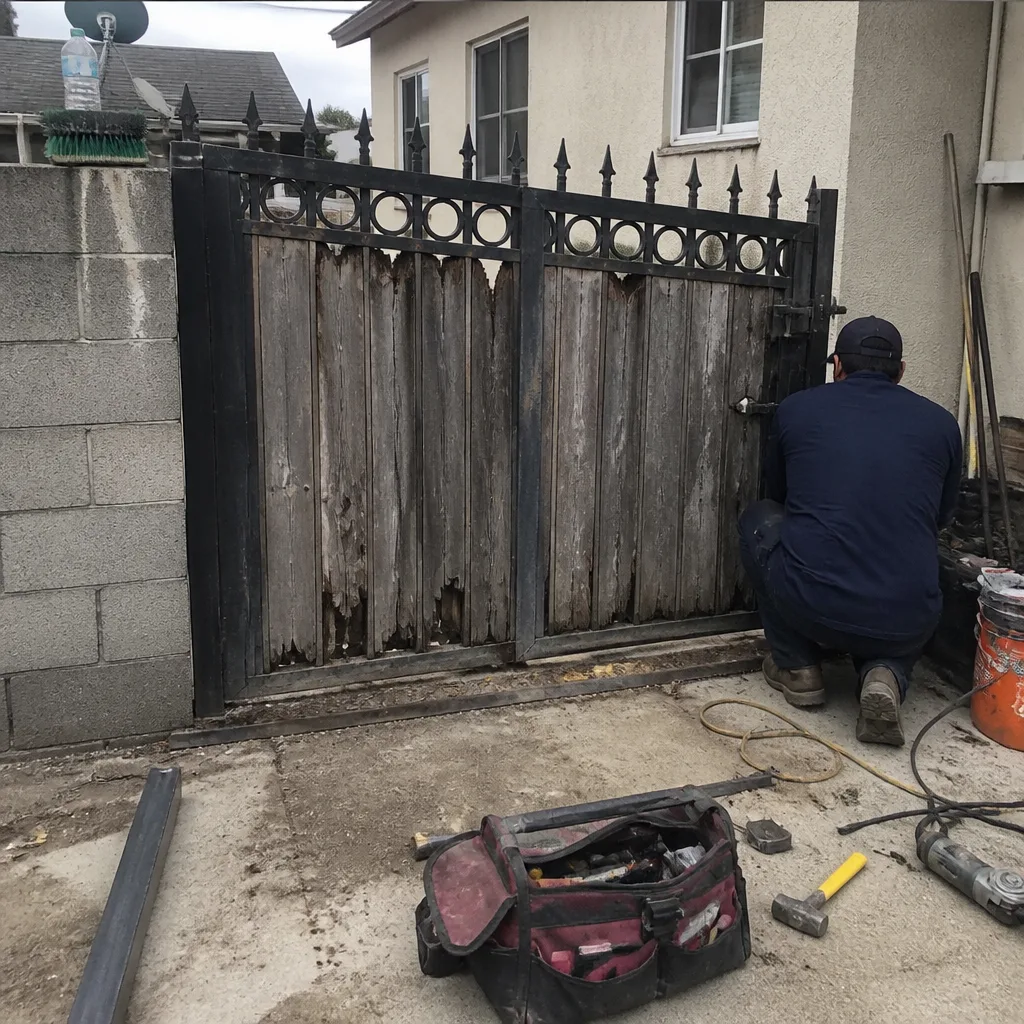
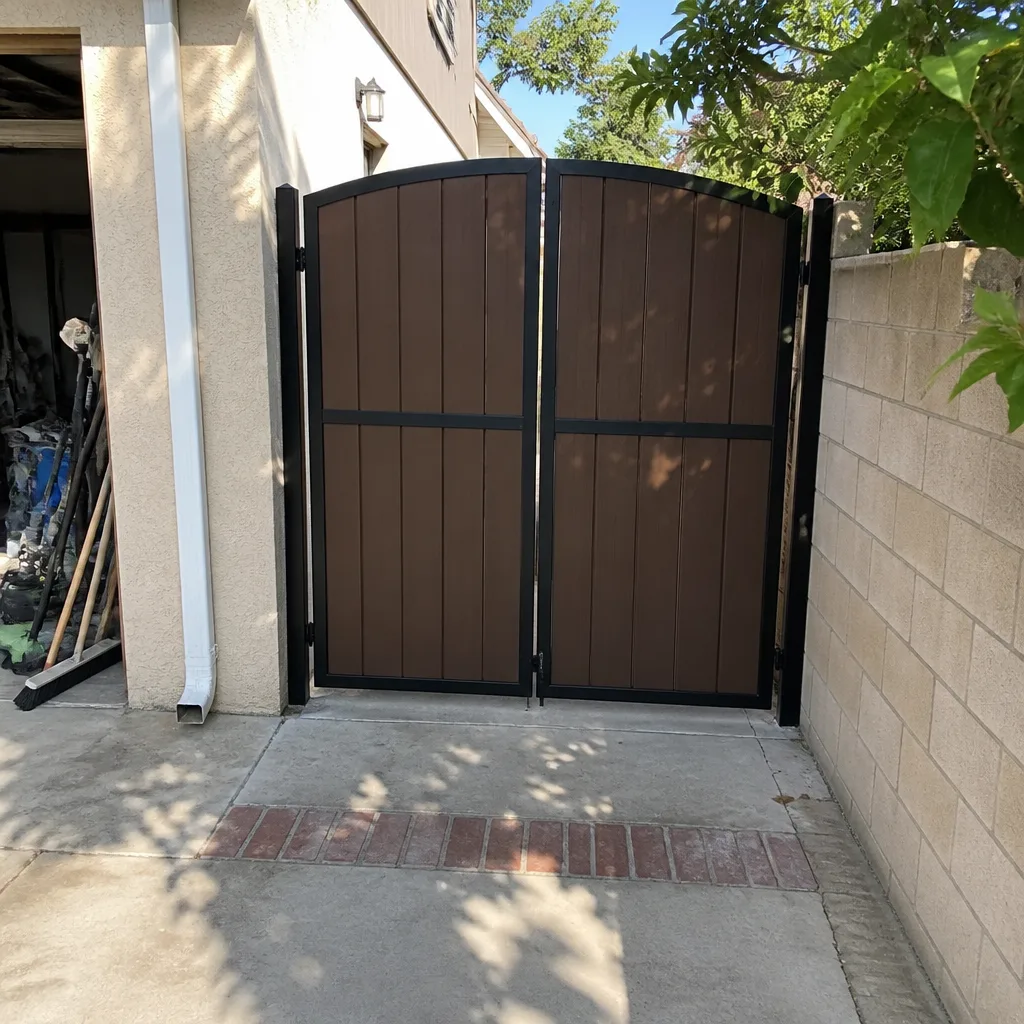
See the difference
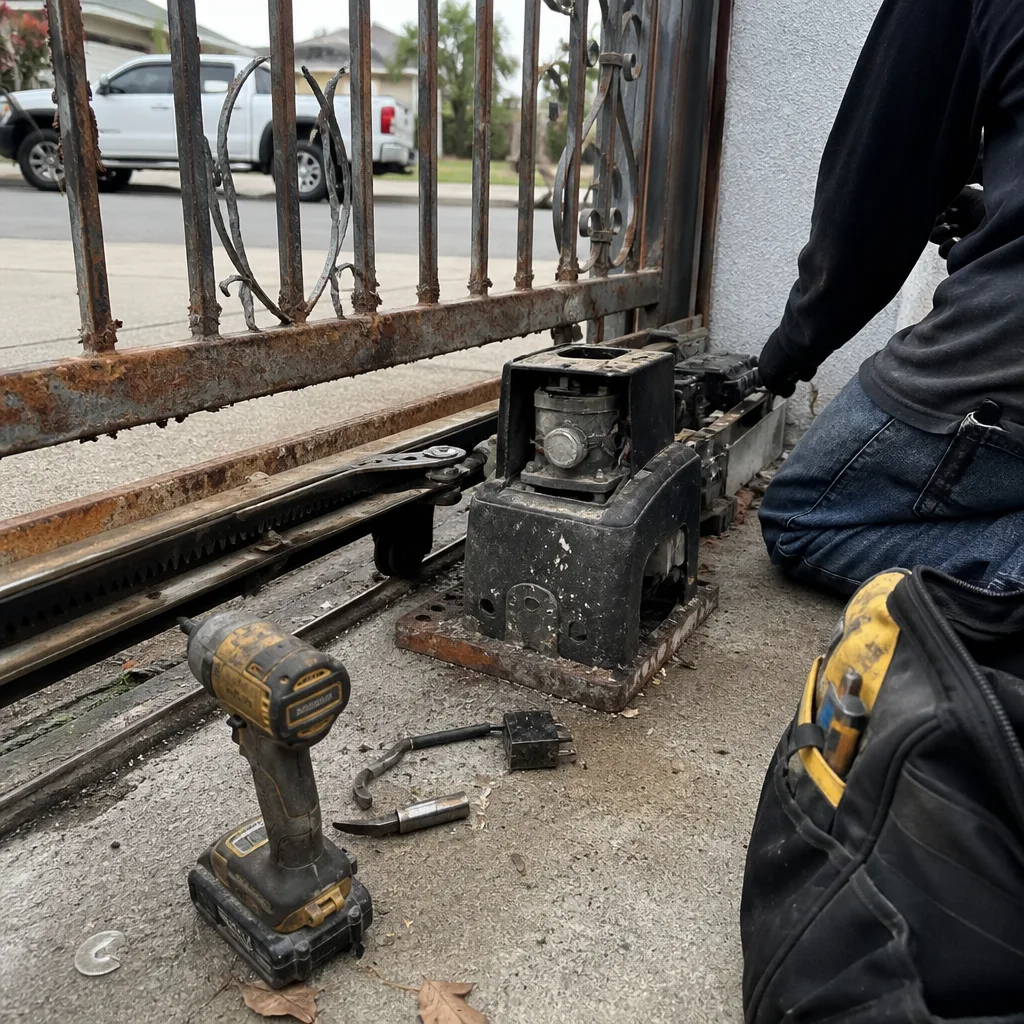 Before
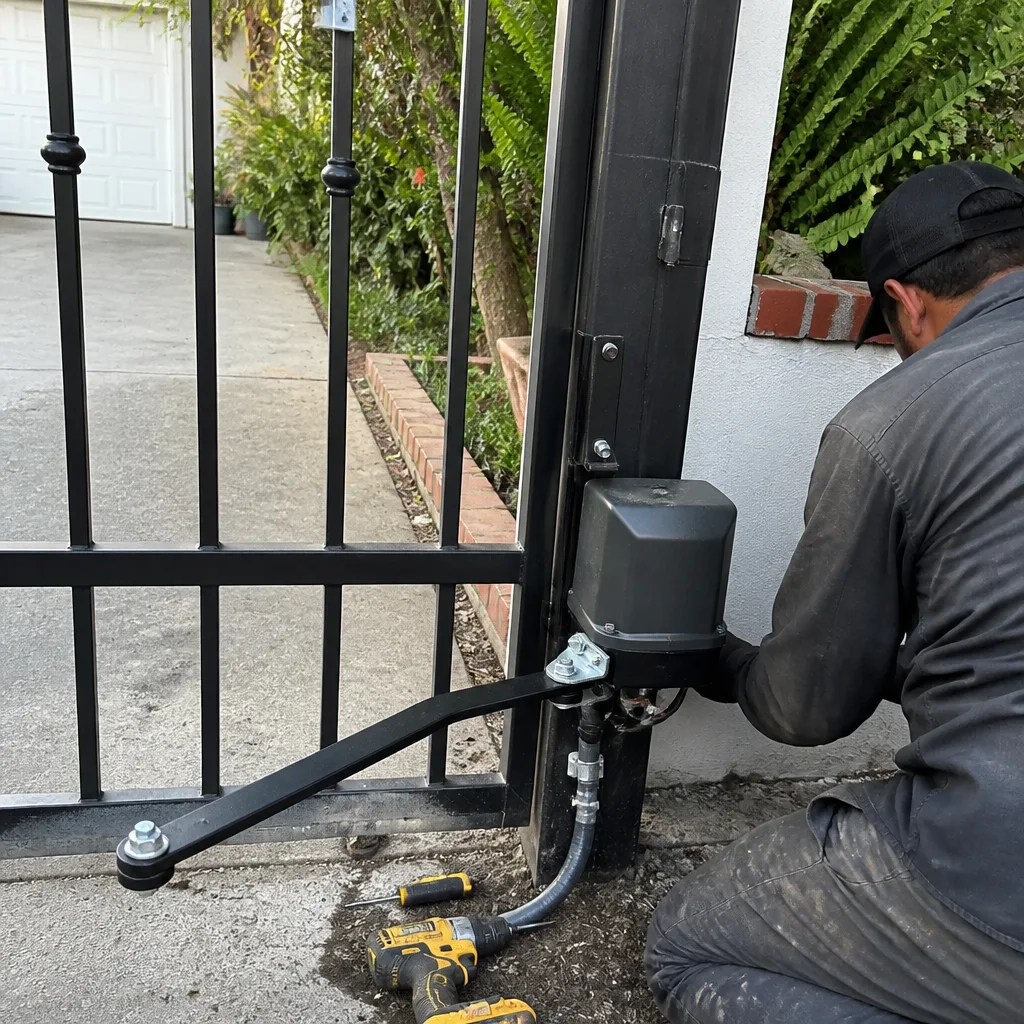 After
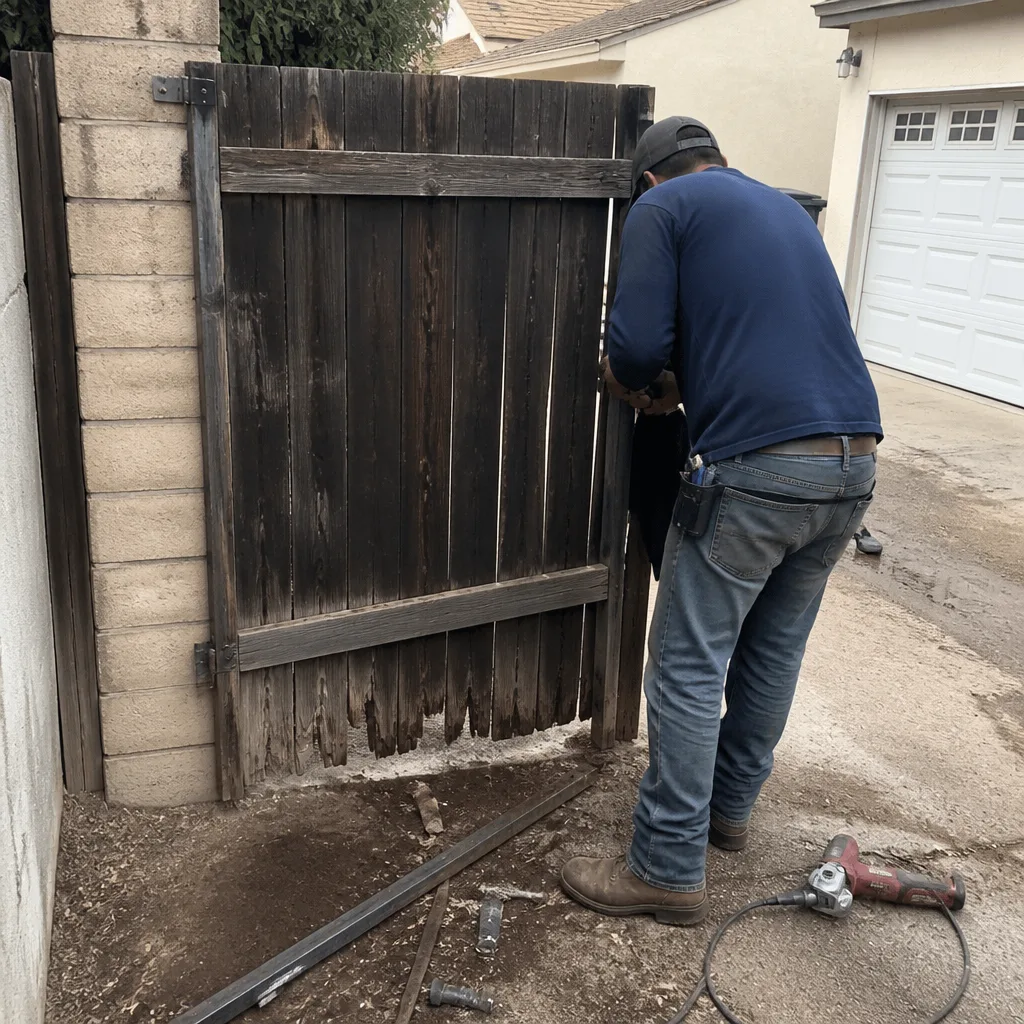 Before
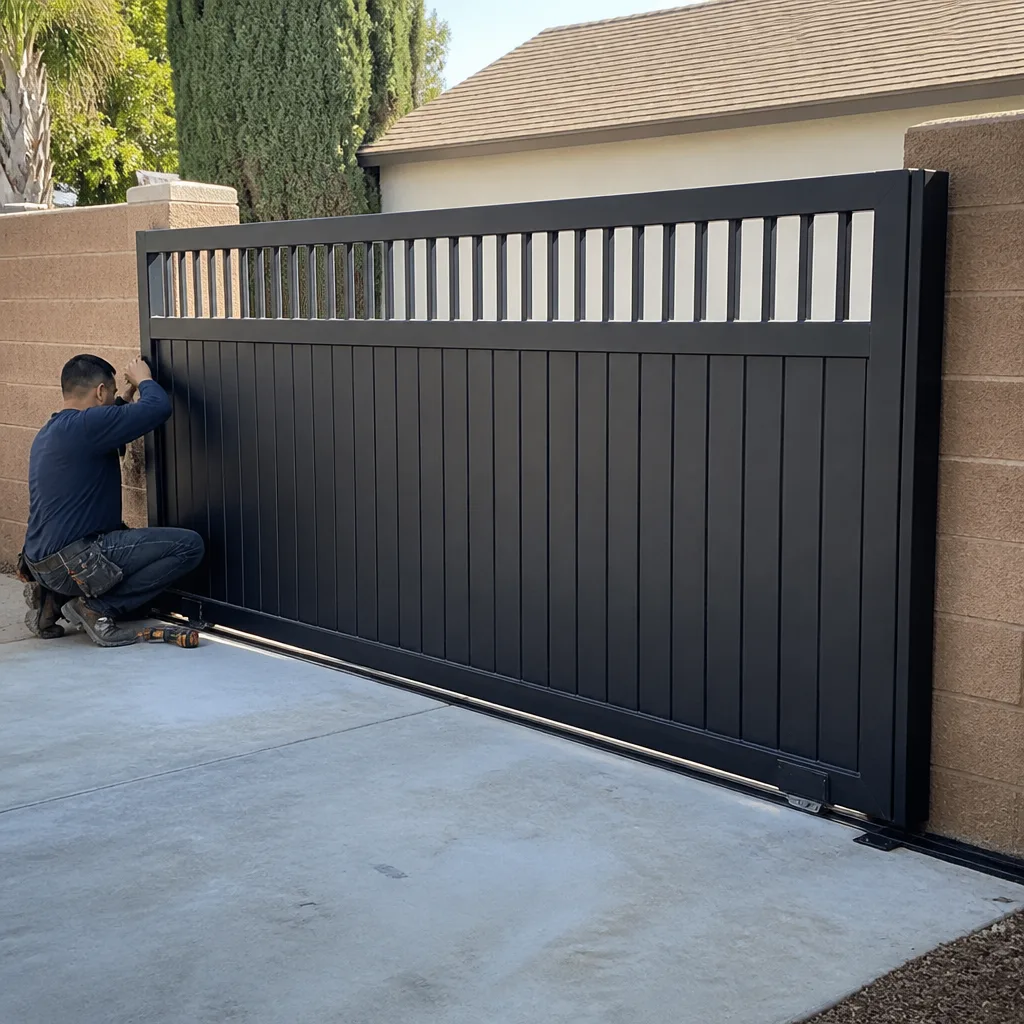 After
 Before
 After